Funko
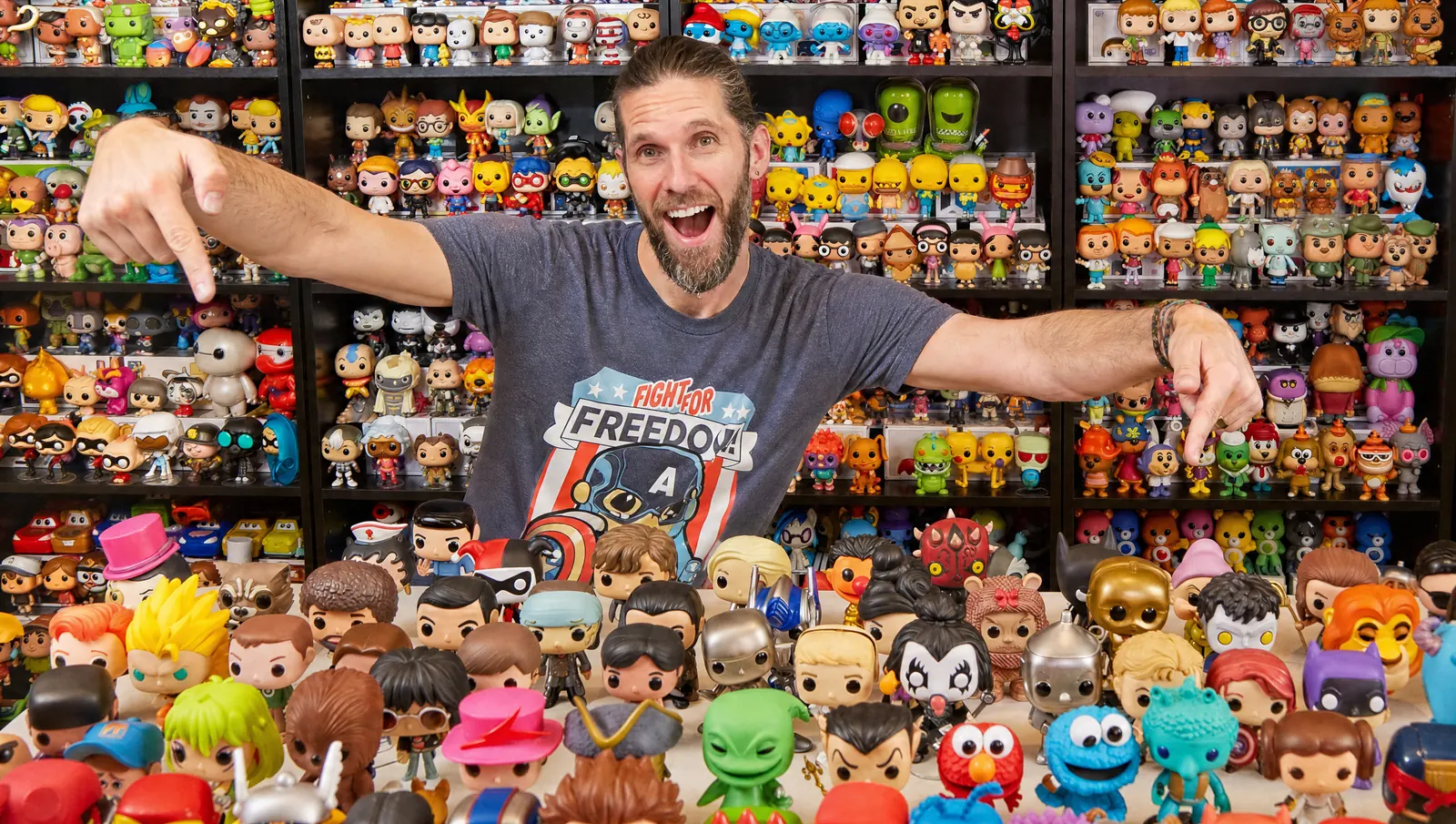
One of three original developers of the POP! line. 300+ physical products shipped across more than 60 global licensors.
What it was
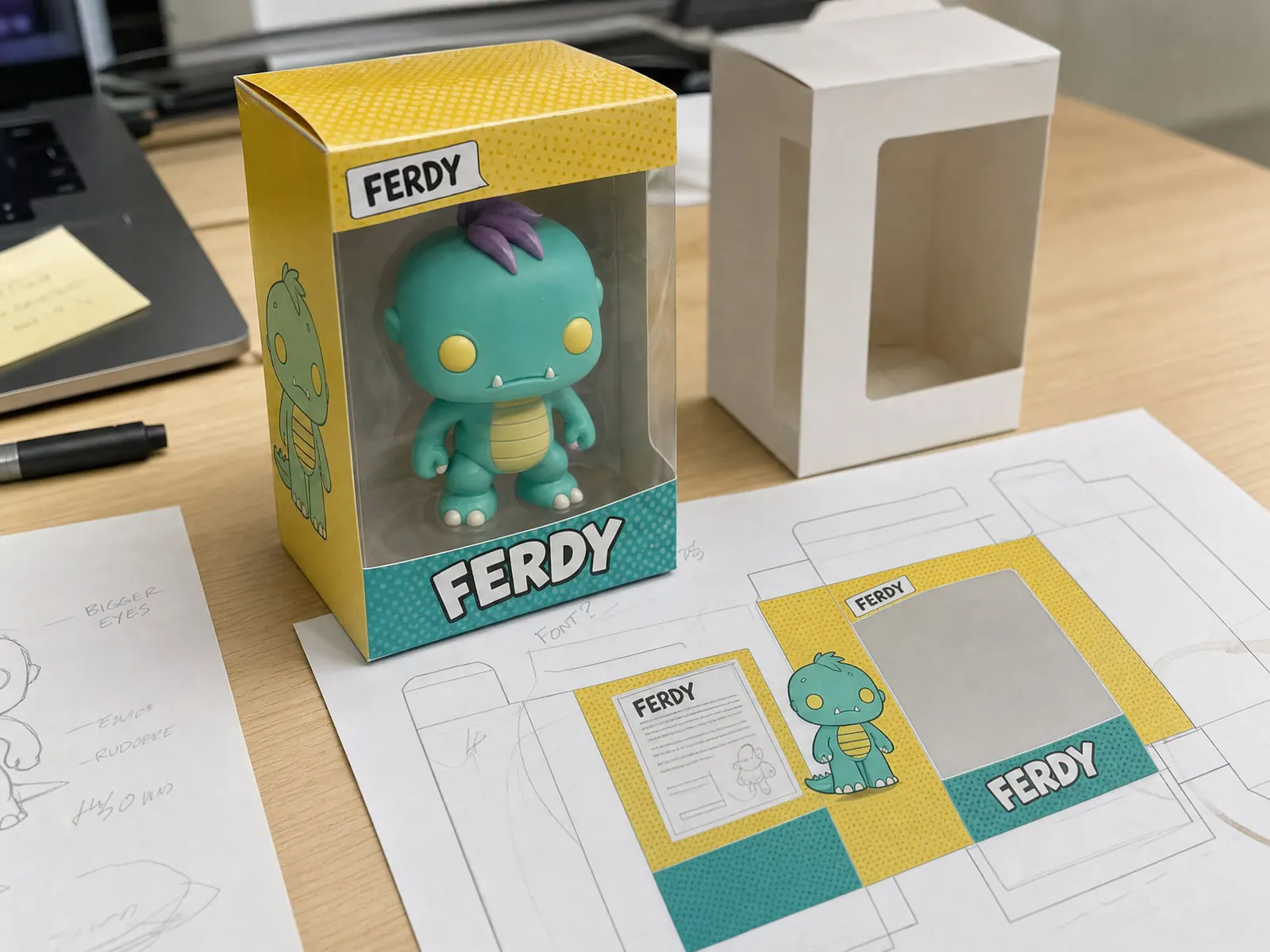
A vinyl figure line designed to cut mould costs during the recession and built to hold a $10–15 retail price at Target and Walmart scale, across hundreds of licensors at once. I was the third toy developer at Funko, and one of three original developers of the POP! line.
Most people don't know this, but the final Pop! figure design was a combination of the evolution of its predecessors, the Funko Nodniks and Plushies with a dash of Hello Kitty.
Before Funko, how I learned to make things
Brand and identity at Urban Influence Design Studio by day. Nights in sign shops, printed and cut vinyl, silkscreening, physical fabrication.
Then working with a well-known ceramist: clay, glaze, kiln, and the specific humility of a material that fails in the firing after all the work is done.
Materials before pixels. By the time I got to injection and roto-moulding at Funko, I already knew what it felt like when a physical process refuses your drawing.
Constraint as a design discipline
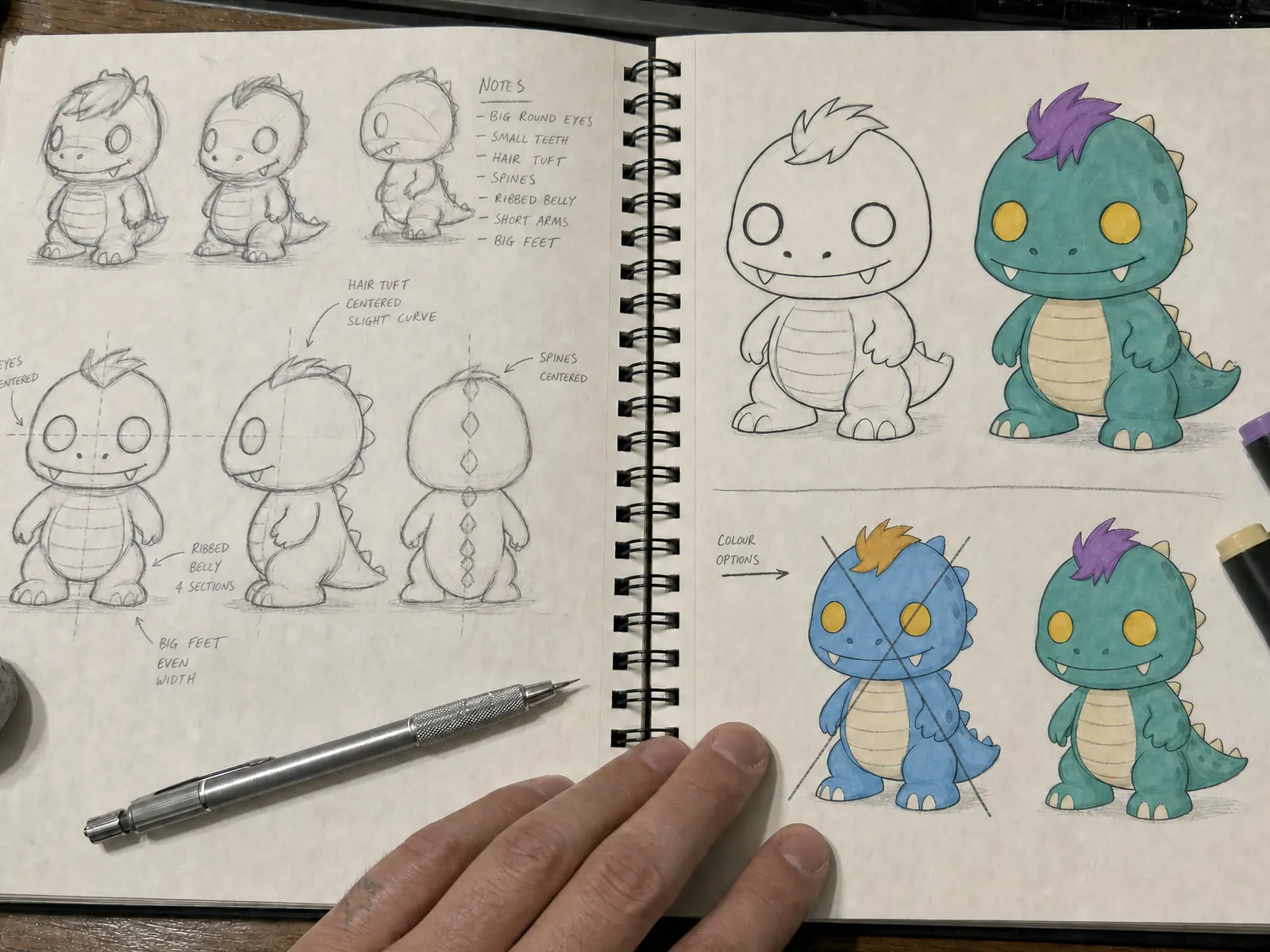
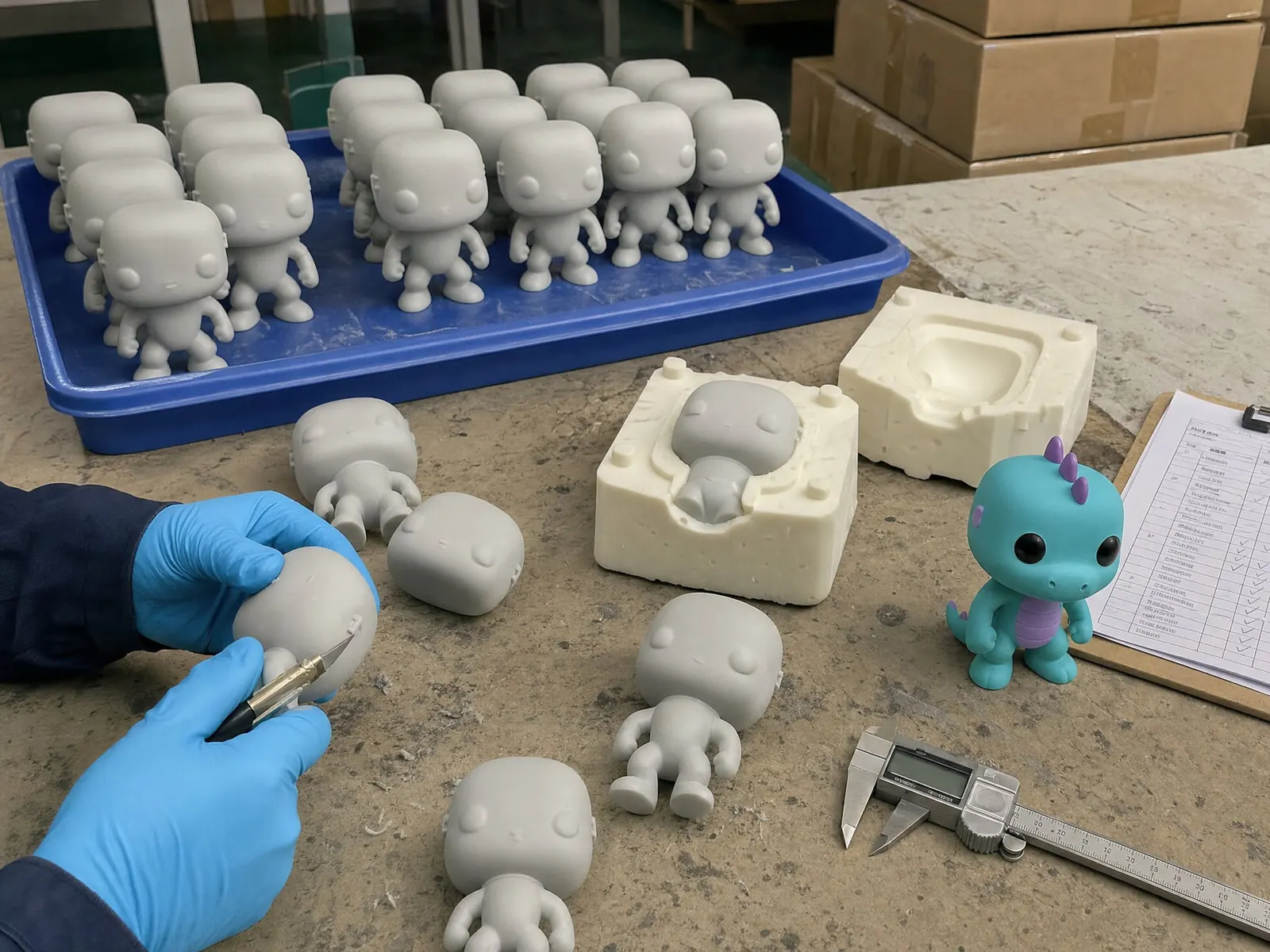
Sculptors used to work originals in clay until ZBrush came around. We had to think in terms of what a steel or 3D-printed mould can physically release. Nothing survives that is not manufacturable.
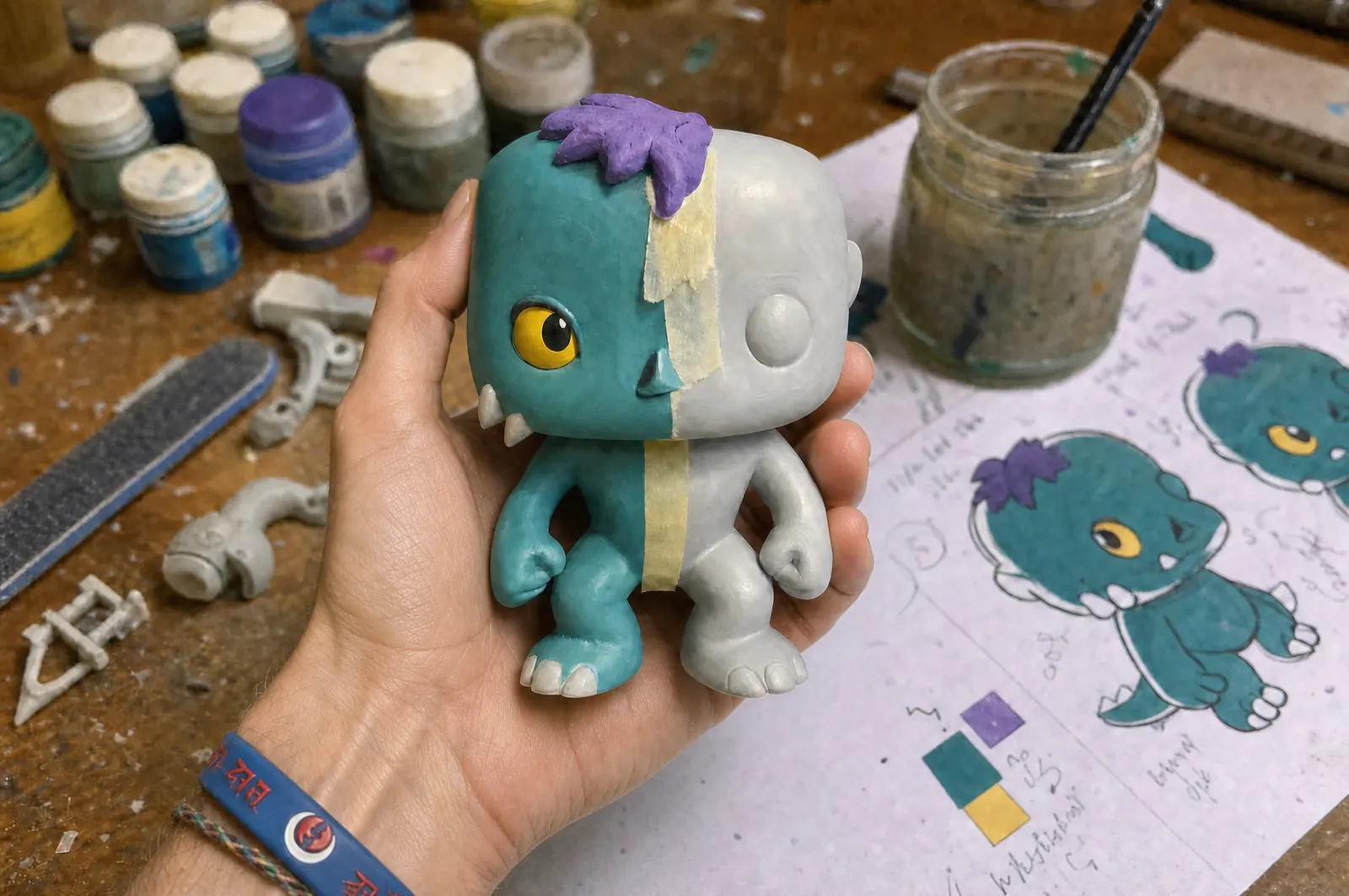
The material palette was deliberately narrow, PVC injection and roto-moulding, HDPE blister, acrylic paint, because that is what holds a $10–15 SKU at mass-retail scale. A narrow palette is not a limitation to escape; it is the thing that makes the price possible.
The seamless head is a materials constraint solved through roto-moulding. An aesthetic that came out of a fabrication limitation rather than the other way around.
What broke
Losing a licence mid-line, tooling cut, deco approved, and the property gone. Recurring QC problems in overseas production. A lot of wasted material.
The rule that came out of it: on a licensed line, the risk you cannot design around is the licence itself. Sequence the moulds so a cancellation costs one SKU, not the whole wave.
Products shipped
Global licensors
Concept to shelf
Retail price held
